
Dental Implants in Scottsdale
AZ‘s Top Prosthodontist with offices in Scottsdale and Peoria
Over 170 million adult Americans are missing at least one tooth, with 40 million having no teeth. This may seem like a daunting statistic, but there’s hope. Dental implants can transform your overall health, sense of dignity, and ability to eat and speak properly. Even one missing tooth can be detrimental to your health, but dental implants can restore missing teeth permanently for many patients. In fact, dental implants are quickly becoming the preferred treatment for many of our patients with tooth loss or who struggle with uncomfortable dentures.
Comprehensive Dental Care in Scottsdale and Phoenix
Ready to regain your confidence with a beautiful, healthy smile? Contact us now to book your appointment with Dr. Galindo.
Before and After Photos
Please drag-and-drop the sliders to explore our before and after pictures!
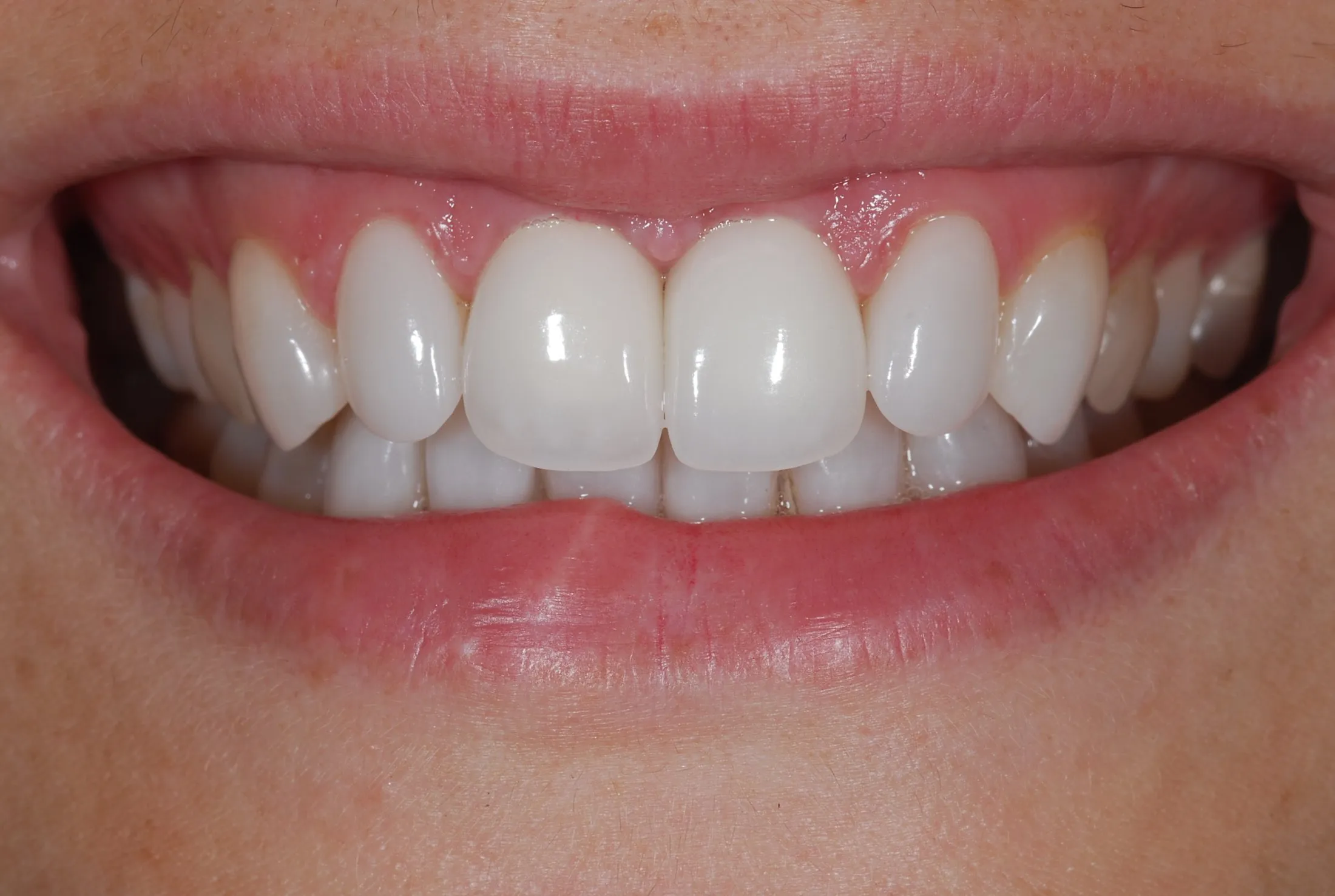
Anterior Dental Implants
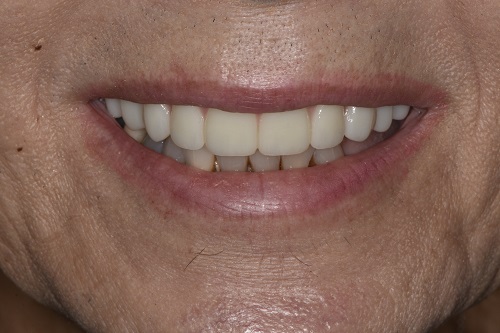
Full Arch Implants
Click here to visit our Smile Gallery
What are Dental Implants?
When people talk about dental implants, they are referring to a replacement tooth that is made up of three sections – the implant, the abutment, and the crown or artificial teeth. The implant itself is a titanium screw placed in the jawbone to replace the root of the missing tooth. Over several months, the implant fuses with the surrounding bone, creating a stable foundation for an artificial tooth that replaces the visible, functional portion of the missing tooth. The abutment is a slender pin or fastener that attaches the implant to the replacement tooth or teeth.
Dental implants placed in the jawbone can support individual crowns, permanent dental bridges, or a full arch of replacement teeth. Due to their durability, strength, and the way they fuse with bone, becoming an integral part of the jawbone, dental implants are designed to last 30 years or more and last a lifetime for most patients. This long-term solution can provide you with the confidence and reassurance that your smile will be healthy and beautiful for years to come.
Benefits of Dental Implants
Dental implants don’t just replace a missing tooth. Because they replace not only the visible portion of the tooth but the root as well, they offer benefits beyond those provided by other types of artificial teeth, including:
- Preserving the jawbone, preventing the shrunken appearance common to those with long-term tooth loss.
- Preventing remaining teeth from shifting to fill the empty sockets of missing teeth.
- Preserving facial contours by supporting the cheekbones.
- Restoring your ability to eat all the foods you love, including those that are difficult to chew.
- Unlike dentures, dental implants do not irritate the gums, cause painful pinching, or shift in the mouth.
- Oral hygiene is easier with dental implants. You brush and floss them like natural teeth.
- Restoring a beautiful, healthy smile.
The Dental Implant Process
Before Implant Surgery
Dr. Galindo evaluates each patient at an initial consultation to determine whether dental implants are the best option for replacing missing teeth. After a thorough exam and dental X-rays, he will review your options with you and develop a customized treatment plan.
For patients who have had their teeth extracted recently and have sufficient jawbone to support implants, implant placement is the next step. However, if your teeth have been missing for a long time or your jawbone is thin or brittle, you may need bone grafting to build up the jawbone ridge before proceeding with implant placement. Dr. Galindo will discuss this with you at your consultation.
Dental Implant Placement
On the day of implant placement, your jaw is numbed with a local anesthetic. IV sedation or nitrous oxide is administered for your comfort and safety during the procedure. You will be relaxed and drowsy and may fall asleep during the procedure. Most patients do not remember anything about implant surgery after the sedation has worn off.
Dr. Galindo makes an incision in the gums, using a surgical guide and 3D imagery, and places the implant in the optimal location to support a crown or dental prosthetic. After placing all needed implants, he sutures the soft tissues closed. The entire procedure takes anywhere from thirty minutes to two hours, depending on the number of implants used.
Healing and fusion of the implants with the jawbone takes time. During this phase, called osseointegration, you can wear a temporary denture. Once the implants are sufficiently stable, the temporary crowns are removed, and the permanent restorations are attached. The entire process can take anywhere from six months to a year. Once completed, your beautiful, new teeth should last a lifetime with proper care.
Whether you are missing a tooth or want to replace a full set of dentures with dental implants, Dr. Galindo can explain the procedure, answer your questions, and start you on the path to permanent, painless replacement teeth. Contact our office at Scottsdale Office Phone Number (602) 441-5529 to schedule a consultation.
Dental Implants Frequently Asked Questions
How long does recovery take after dental implant surgery?
For the first 3-5 days, you will rest at home and be on a soft diet. There is some pain, usually mild, and swelling. These can generally be controlled with over-the-counter pain relievers and ice packs. If necessary, we can prescribe a non-narcotic pain medication for your comfort. Within two weeks, you will feel like yourself again. You can go about your normal routine until osseointegration is complete, and you return to exchange your temporary denture or crown for your permanent replacement teeth.
Am I a candidate for dental implants?
Yes, if you are missing one or more teeth and desire a permanent, natural-looking solution. Most adults are candidates if they are healthy and free of gum disease. If you have periodontal disease or any dental infections, these must be treated before implants are considered.
Who is not a candidate for implants?
Dr. Galindo never rules out an individual for dental implants until he has evaluated them personally. However, some conditions mean you are less likely to be a candidate and more likely to face implant failure. These include:
- Having an autoimmune disease
- Having a blood clotting disorder
- Being a heavy smoker
- Having uncontrolled diabetes
What is the success rate of dental implants?
Dental implant placement has an impressively high success rate of 95% or higher, depending on how well the patients care for their dental implants post-operatively.